


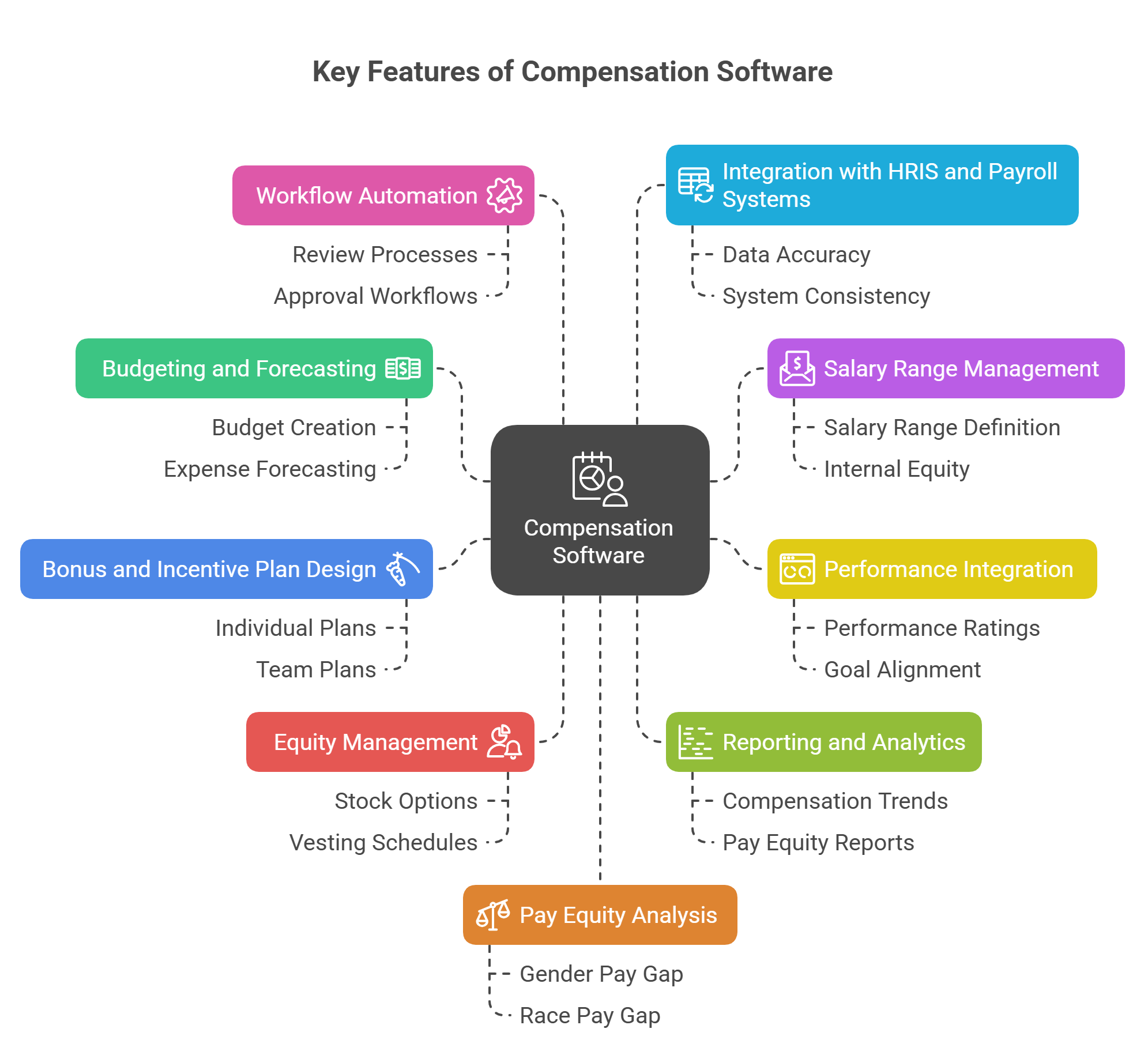
The steady and impressive expansion of the compensation software sector is the result of a powerful convergence of talent market dynamics, increasing regulatory pressure, and the growing strategic importance of data-driven HR. To understand the market's future, it is crucial to analyze the primary drivers behind Compensation Software Market Growth. These powerful catalysts are the fundamental reason the market is projected to grow to a valuation of nearly USD 20 billion by 2035, a journey defined by a solid 13.25% CAGR. This upward momentum is primarily fueled by the recognition that in a knowledge economy, a company's approach to compensation is a direct reflection of its values and a critical tool for its success.
A paramount driver of market growth is the intense and ongoing "war for talent." In many industries, there is a fierce competition to attract and, more importantly, retain skilled employees. In this environment, compensation is a primary lever. If a company's pay is not competitive with the market, it will struggle to hire top candidates and will constantly lose its best performers to better-paying competitors. Compensation software, with its ability to integrate real-time market data, allows companies to ensure their pay structures are competitive and to make targeted adjustments for critical roles. This ability to use compensation as a strategic weapon in the talent war is a massive driver of adoption.
Another key driver is the global legislative push for pay equity and transparency. A wave of new laws in Europe and across many US states now requires companies to be more transparent about their pay practices and to proactively ensure they are paying employees fairly, regardless of gender or race. Complying with these laws and defending against potential litigation is a major risk management concern for businesses. Compensation software provides the analytical tools to conduct rigorous pay equity audits and the governance framework to ensure that pay decisions are based on objective criteria. The need to mitigate legal and reputational risk is a powerful forcing function for investment in these platforms.
Finally, the simple inefficiency and risk of managing compensation with spreadsheets is a significant factor propelling market growth. For any organization with more than a few hundred employees, trying to manage a complex annual salary review process using spreadsheets is a logistical nightmare. It involves sending and receiving hundreds of files, manually consolidating data, and is incredibly prone to errors, such as formula mistakes or version control issues. A mistake in a spreadsheet can lead to an employee being overpaid or underpaid, creating financial and morale problems. The operational efficiency, data security, and error reduction offered by a centralized software solution provide a clear and compelling business case for moving away from spreadsheets.
Top Performing Market Insight Reports:
Identity and Access Management Market

 English
 Arabic
 French
 Spanish
 Portuguese
 Deutsch
 Turkish
 Dutch
Dutch
 Italiano
 Russian
 Romaian
 Portuguese (Brazil)