


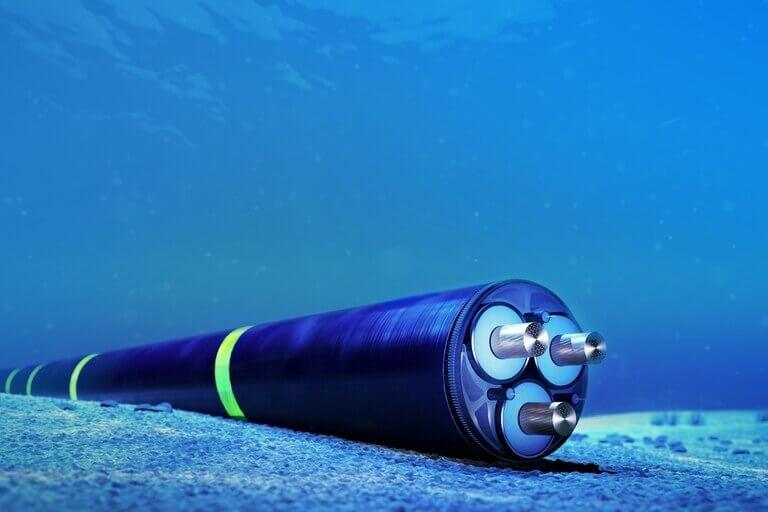
Projecting the future financial worth of a global infrastructure market provides a tangible measure of its critical importance to the world economy. The anticipated Submarine Cabling System Market Value is a clear indicator of the immense investment required to keep our digital world connected. The market's projected climb to a substantial USD 29.98 billion valuation by 2035, growing from USD 16.16 billion in 2025 at a solid 5.78% CAGR, represents the significant global spending on these vital data arteries. This valuation is a composite figure, reflecting the massive capital expenditure on the design, manufacture, and deployment of these multi-hundred-million-dollar projects, as well as the ongoing revenue from their maintenance and operation.
The creation of this multi-billion-dollar market value is primarily driven by the "turnkey" contracts for new cable systems. A single trans-oceanic cable project can cost anywhere from USD 300 million to over USD 1 billion. The market value represents the cumulative value of all these new build projects that are commissioned each year. This contract value includes the cost of the initial marine route survey, the manufacturing of the fiber-optic cable and the undersea repeaters, and the highly specialized work of deploying the cable on the ocean floor using a fleet of cable-laying ships. This massive upfront capital expenditure on new infrastructure is the largest component of the market's value.
A substantial portion of the USD 29.98 billion valuation comes from the revenue generated by the cable suppliers for the key technological components. This includes the sale of the Submarine Line Terminal Equipment (SLTE), which is the advanced optical transmission gear that sits in the land-based cable landing stations and "lights up" the fiber pairs. As optical technology improves, the SLTE can be upgraded to send more data down the same fibers, increasing the capacity of an existing cable. This creates a regular and highly profitable upgrade cycle for the equipment vendors, adding a significant layer to the market's value beyond just the initial cable build.
Finally, the market value is also supported by the long-term operational and maintenance revenue. A submarine cable is designed to have a lifespan of at least 25 years. Throughout this period, it requires ongoing monitoring and maintenance. This includes the revenue generated by the companies that operate the Network Operations Centers (NOCs) that monitor the health of the cable system 24/7. It also includes the revenue from the maintenance contracts for the cable itself, which involves having ships on standby to quickly locate and repair any cable breaks or faults. This long-tail of operational and maintenance services provides a stable, recurring revenue stream for the industry and is an essential component of the market's total valuation.
Explore Our Latest Trending Reports:

 English
 French
 Spanish
 Portuguese
 Deutsch
 Turkish
 Dutch
Dutch
 Italiano
 Russian
 Romaian
 Portuguese (Brazil)
 Tiếng Việt