


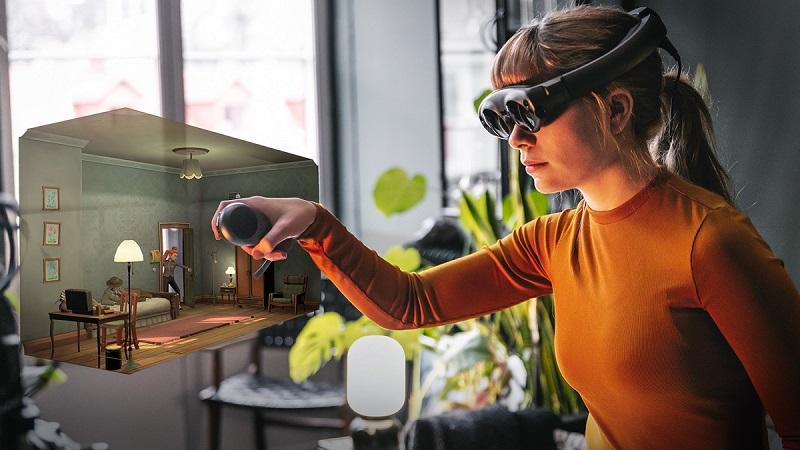
The exhilarating growth of the augmented reality gaming sector is being steered by a number of powerful and forward-thinking Augmented Reality Gaming Market Trends. These pivotal developments are the key forces propelling the market toward its projected valuation of $108.19 billion by 2035, a journey powered by a formidable 22.02% CAGR. These are not just fleeting fads; they are fundamental shifts in technology and design that are defining the next generation of immersive play. From deeply social experiences to persistent, shared digital worlds, these trends offer a compelling glimpse into a future where gaming breaks free from the screen and becomes an integrated, interactive layer on top of our reality, setting the stage for the industry's next evolutionary leap.
One of the most significant trends is the deepening focus on social and multiplayer experiences. The first wave of AR games was often a solitary experience, with players interacting with digital content in their own isolated worlds. The next frontier is about creating shared, synchronous AR spaces where multiple players can see and interact with the same digital objects in real-time. This trend is driven by advancements in networking technology, including 5G, and more sophisticated world-mapping capabilities. Games are increasingly incorporating features that encourage teamwork, competition, and social interaction within a shared AR context, transforming AR gaming from a personal novelty into a truly communal activity, much like traditional sports or board games, but with a limitless digital canvas.
Another major trend is the development of a persistent, real-world "metaverse." This concept moves beyond discrete, session-based games towards a continuous, shared digital layer that permanently exists on top of the physical world. Companies like Niantic are building a 3D map of the world, which will allow developers to create AR content that is persistent—meaning it stays where it is placed and can be seen by all users. This opens the door to massive, world-scale games, social applications where users can leave permanent digital graffiti or notes for friends to find, and educational experiences that anchor historical information to real-world locations. This trend represents the ultimate vision for AR, transforming the entire world into a single, interactive, and ever-evolving game board.
Finally, a crucial trend is the increasing sophistication of the interplay between the game and the real world. Early AR games simply placed digital objects into a camera view. The next generation of games, however, features much deeper integration. Digital characters will be able to intelligently navigate physical spaces, hiding behind real furniture or reacting to real-world objects. Gameplay mechanics will increasingly be tied to real-world conditions, such as weather, time of day, or the player's location. This trend towards "context-aware" gaming makes the experience feel much more believable and immersive, strengthening the core fantasy that the digital world is truly alive and co-existing with our own, a key factor in driving the long-term engagement necessary to achieve a multi-billion-dollar market.
Explore More Like This in Our Regional Reports:
UK Immersive Technology In Entertainment Market

 English
 Arabic
 French
 Spanish
 Portuguese
 Deutsch
 Turkish
 Dutch
Dutch
 Italiano
 Russian
 Romaian
 Tiếng Việt